Hurricane Helene brought devastation and loss of life to WNC in late September. Many of us were complacent as we felt secure surrounded as we were by our lovely, protective mountains. We are saddened by the destruction of homes, lives and nature.
The destruction Helene brought has impacted many of us in many different ways and will continue to impact our little corner of the globe for some time to come. We are proud of our community and all the people who have been volunteering and supporting the cleanup efforts.
As those rebuilding efforts are underway, we look, not only to the loss of life and property, but also to the loss of revenue for our artists and small businesses and what it will take to rebuild or make other decisions. The importance of Autumn in the Blue Ridge Mountains with its many visitors who typically would be arriving about this time to marvel at our beautiful and colorful majestic forests can’t be over-estimated.
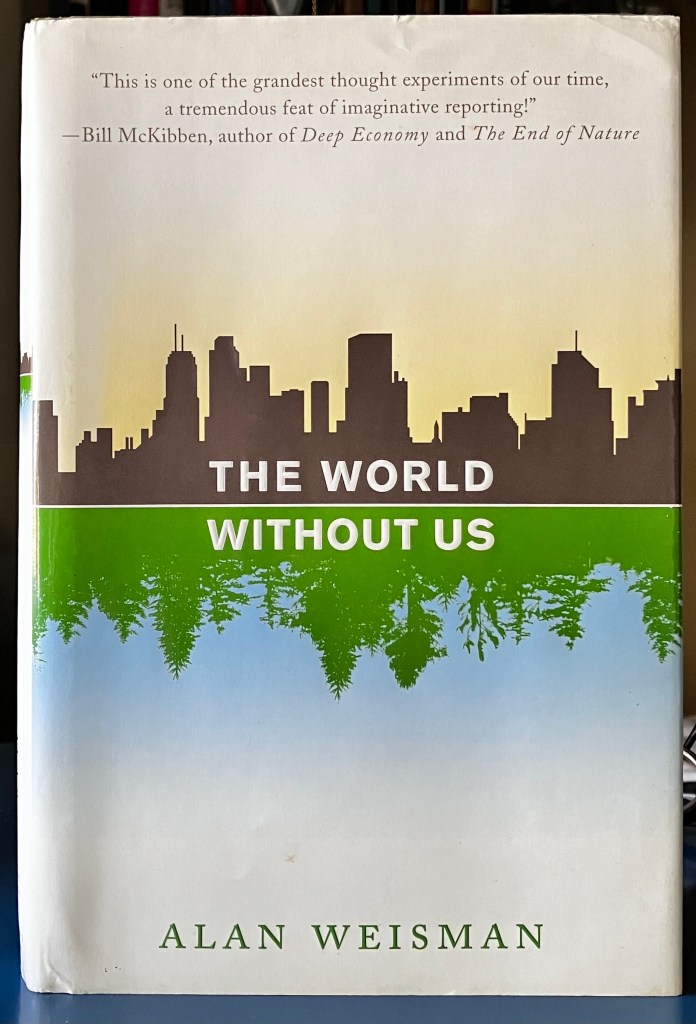
The work has just begun, but the strength of nature reminded me of a book I read about 15 years ago titled The World Without Us. Written by Alan Weisman, the book envisions a world where humans are suddenly gone and how the Earth reacts and rebuilds once our presence is no longer impacting our planet. The book is an eye-opener and a call to be more considerate of our impact on our environment.
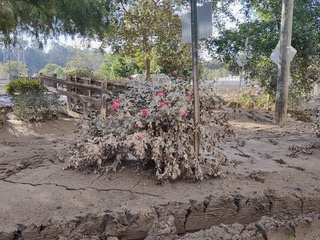
Nature is strong in so many ways—take the photo posted to Facebook by Gary Alan McCracken of roses blooming in the mud of the RAD. It’s nature showing her strength and endurance in the midst of disaster. One could also simply look in one’s own backyard to see just how quickly things can get out of hand if the lawn isn’t mowed or the flower beds weeded.
As we know, a healthy environment is a delicate balance. Throwing the environment off-balance doesn’t take much and there are many indicators of stress that are clearly visible throughout nature. We see it in the fires in California and Canada. Closer to home, it’s apparent in the invasive species of insects and pathogens that have contributed to about a quarter of the tree deaths in the Blue Ridge Mountain forests in the past 30 years.* Logging and clear cutting in some of the world’s old growth forests have also contributed to our current ecological, environmental and weather-related disasters.
The World Without Us speaks about just how quickly nature begins to reclaim her territory. For example, it describes how just days after humans disappear, floods in New York’s subways would begin to erode the city’s foundations, eventually turning asphalt jungles into real ones. It describes the ways in which organic and chemically treated farms would revert to wilderness. It speaks of wildlife and how billions more birds would flourish and the seas would once again thrive.
Everything we do has an impact on nature. As we look to the future, we all need to be more cognizant of what our impact creates. We need to remember and pay attention to the future of our mountains and forests, which impact our future as well.
- Smithsonian Conservation Biology Institute
 Friends of Pack Library